
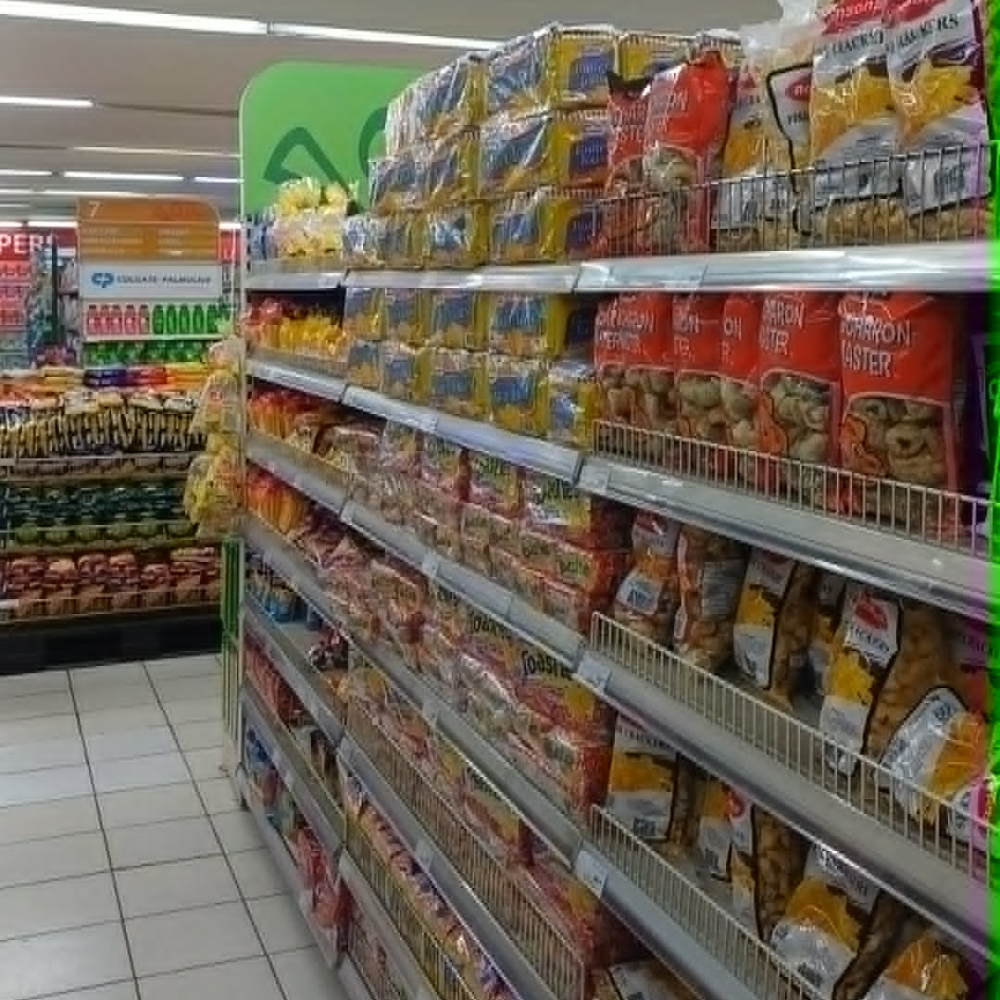
Living alone sounds amazing until the bills start arriving.
One minute you’re excited about decorating your place. The next minute you’re comparing grocery prices and wondering why toilet paper suddenly feels like a luxury purchase.
The truth is that living alone doesn’t require a huge income. What it does require is a realistic budget.
A good budget helps you cover your essentials, save for the future, and still enjoy life without feeling guilty every time you spend money.
If you’re planning to move out soon or you’ve recently moved into your own place, this simple monthly budget plan will help you stay financially comfortable without turning your life into a giant spreadsheet.
Why Most First-Time Budgets Fail
Many people make the same mistake.
They focus almost entirely on rent.
Then they move in and discover they also need:
- Utilities
- Internet
- Groceries
- Transportation
- Household supplies
- Emergency savings
Suddenly, the apartment that seemed affordable doesn’t feel quite as affordable anymore.
That’s why understanding the full cost of living alone is so important before you commit to a place.
The Simple Budget Formula
If you’re new to budgeting, keep things simple.
A practical monthly budget often looks something like this:
| Category | Percentage of Income |
|---|---|
| Housing | 25-35% |
| Utilities | 5-10% |
| Food | 15-20% |
| Transportation | 5-10% |
| Personal Spending | 5-10% |
| Savings | 15-20% |
| Miscellaneous | Remaining Amount |
Notice something?
Savings is included.
Many people save whatever is left at the end of the month.
Unfortunately, there’s usually very little left.
Treat savings like a required bill instead.
Step 1: Start With Housing
Housing is usually your largest expense.
That’s why choosing the right rent matters more than almost anything else in your budget.
A common recommendation is to spend no more than about 30% of your monthly income on rent.
For example:
- $1,500 income → around $450 rent
- $2,000 income → around $600 rent
- $2,500 income → around $750 rent
Could you spend more?
Sure.
But every extra dollar spent on rent becomes one less dollar available for savings, emergencies, or enjoying life.
If you’re still searching for a place, figuring out how much rent you can afford based on your income should be one of your first steps.
Step 2: Budget for Utilities
This is where many first-time movers underestimate costs.
Utilities often include:
- Electricity
- Water
- Internet
- Mobile phone service
A realistic monthly estimate might range between:
$100 to $250 per month
The exact amount depends on your location and habits.
If you run your air conditioning 24/7, your electric bill may decide to become the main character of your budget.
Step 3: Build a Realistic Grocery Budget
Food costs vary wildly from person to person.
Someone who cooks most meals at home can spend far less than someone who relies heavily on takeout.
A reasonable starting point:
- Budget-conscious: $200–$300
- Moderate lifestyle: $300–$450
- Frequent dining out: $450+
Many people underestimate food spending because they only think about groceries.
They forget:
- Snacks
- Coffee
- Drinks
- Household supplies
- Random convenience purchases
These small expenses add up quickly.
Step 4: Transportation Matters More Than You Think
Transportation costs often depend on where you live.
Your monthly expenses may include:
- Public transportation
- Fuel
- Car insurance
- Parking fees
- Vehicle maintenance
This is why cheaper rent isn’t always the better deal.
Sometimes living closer to work costs more in rent but saves money in transportation.
It’s important to look at your total monthly expenses instead of focusing on a single category.
Step 5: Create a Savings Category
Saving money becomes much easier when it has a dedicated place in your budget.
A good target is:
15% to 20% of your income
This money can help fund:
- Emergency savings
- Future goals
- Travel
- Investments
- Unexpected expenses
If you’re still preparing to move out, building savings should be one of your top priorities.
Many people underestimate how much cash they need before moving, especially when deposits and setup costs enter the picture.
Step 6: Plan for Hidden Expenses
This is the category nobody talks about enough.
You budget for rent.
You budget for groceries.
Then suddenly you’re buying:
- Shower curtains
- Trash bins
- Cleaning supplies
- Laundry detergent
- Extension cords
- Light bulbs
None of these purchases are expensive individually.
Together, they can easily cost hundreds.
That’s why experienced renters always leave room in their budget for unexpected household expenses.
Example Budget: $1,500 Monthly Income
Let’s build a practical example.
| Category | Amount |
|---|---|
| Rent | $450 |
| Utilities | $150 |
| Groceries | $250 |
| Transportation | $100 |
| Personal Spending | $100 |
| Savings | $300 |
| Miscellaneous | $150 |
| Total | $1,500 |
This budget won’t make you rich.
But it creates a stable foundation and allows you to live independently without constant financial stress.
Example Budget: $2,500 Monthly Income
Now let’s look at a higher-income example.
| Category | Amount |
|---|---|
| Rent | $750 |
| Utilities | $200 |
| Groceries | $350 |
| Transportation | $200 |
| Personal Spending | $200 |
| Savings | $500 |
| Miscellaneous | $300 |
| Total | $2,500 |
Notice how the additional income creates more flexibility.
The biggest difference isn’t usually a nicer apartment.
It’s the ability to save more and absorb unexpected costs without panic.
Common Budget Mistakes to Avoid
Choosing Rent Based on Emotion
The apartment looks amazing.
The location is perfect.
The kitchen belongs on social media.
Then the rent consumes half your income.
Always run the numbers first.
Ignoring Savings
Many people focus entirely on monthly bills.
Then an emergency happens and everything falls apart.
Savings create breathing room.
Breathing room creates stability.
Underestimating Food Costs
Food spending often ends up higher than expected.
Especially if you frequently order takeout or eat out.
Track your spending honestly.
Your bank statement already knows the truth.
Moving Out Too Early
Wanting independence is understandable.
But moving out before you’re financially ready can create unnecessary stress.
Before moving, make sure you’ve built enough savings and have a realistic understanding of your future expenses.
My Honest Advice
The best monthly budget isn’t the cheapest one.
It’s the one you can follow consistently.
Some people create budgets so strict that they quit after two weeks.
A realistic budget gives you enough structure to stay on track while still enjoying life.
That’s the sweet spot.
Final Thoughts
Living alone doesn’t require perfection.
It requires preparation.
If you focus on:
- Affordable housing
- Realistic expenses
- Consistent savings
- Smart spending habits
you’ll be in a much stronger position than most first-time movers.
A simple budget may not feel exciting.
But financial stability is surprisingly underrated.
And once you have it, living alone becomes a lot more enjoyable.