Let’s get one thing straight—rent can either support your life or quietly ruin your budget.
A lot of people pick a place based on vibes, location, or “this looks nice.” Then a few months later, they’re stressed, broke, and wondering where their money went.
So instead of guessing, let’s answer this properly:
How much rent can you actually afford based on your income?
Start With the 30% Rule (But Don’t Stop There)
You’ve probably heard this everywhere:
Spend no more than 30% of your income on rent.
Here’s a quick breakdown:
- Income: $1,000 → Rent: $300
- Income: $1,500 → Rent: $450
- Income: $2,000 → Rent: $600
It’s simple, easy to remember, and honestly… still useful.
But let me ask you something:
Does that number actually fit your real-life expenses?
Because if your other costs are high, even 30% can feel like too much.
The Smarter Way to Calculate Rent
Instead of relying only on a percentage, use this:
Income – All Monthly Expenses = Affordable Rent
That means you subtract:
- Utilities
- Food
- Transportation
- Personal spending
- Savings
Whatever’s left is your true rent budget.
If you haven’t mapped those expenses yet, take a look at a full monthly cost breakdown of living alone first.
Because without that, you’re basically guessing—and guessing with money rarely ends well.
Why Most People Overestimate What They Can Afford
Here’s a common mistake:
People think:
“I can afford $500 rent because I earn $1,500.”
Technically true.
But once you add everything else? Not so comfortable anymore.
Let’s do a quick example:
- Income: $1,500
- Rent: $500
- Utilities: $150
- Food: $300
- Transport: $100
- Personal: $150
👉 Total expenses: $1,200
That leaves you with $300.
Now subtract savings, unexpected expenses, and random spending… suddenly that cushion disappears fast.
That’s how people end up feeling broke even with “decent” income.
Rent Ranges Based on Income
Let’s make this practical so you can quickly estimate your range.
If You Earn $800–$1,200/month
- Ideal rent: $200–$350
- Best setup:
- Shared apartment or smaller unit
- Budget-focused lifestyle
At this level, your margin is tight. You need discipline.
If You Earn $1,200–$2,000/month
- Ideal rent: $350–$700
- Best setup:
- Studio or modest apartment
- Balanced lifestyle
This is where things start to feel manageable—if you don’t overspend.
If You Earn $2,000+/month
- Ideal rent: $600–$1,000+
- Best setup:
- More location flexibility
- Better comfort and convenience
But here’s the trap: higher income often leads to higher spending.
Don’t let that happen too quickly.
Location Will Change Everything
Let’s talk strategy for a second.
Where you live affects your rent more than anything else.
You basically have two options:
- Live in the city → Higher rent, more convenience
- Live farther out → Lower rent, more travel time
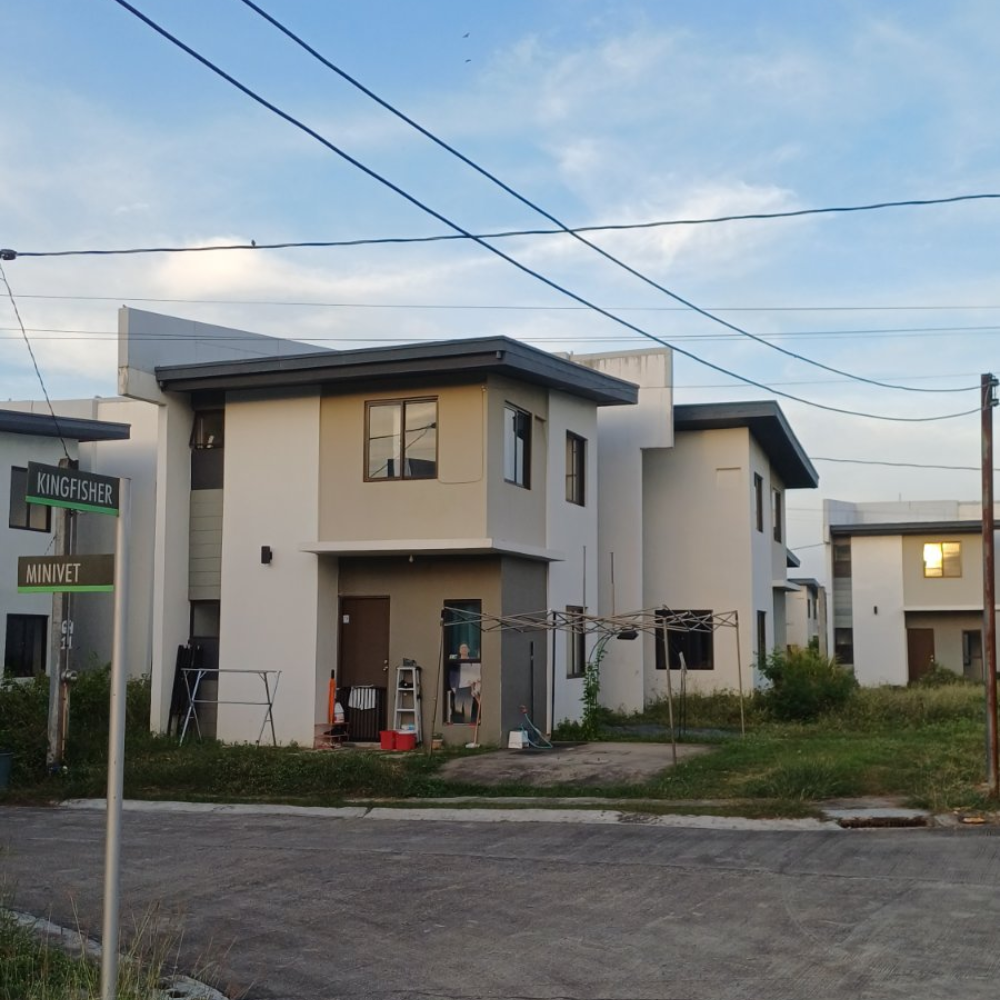
I personally chose a place about 1.5 hours away from the capital, and it reduced my rent significantly.
Was it less convenient? Sure.
Was it financially smarter? Definitely.
So ask yourself:
Do I want to save money—or save time?
Because your rent depends on that decision.
Don’t Forget the Move-Out Costs
Here’s something people ignore when thinking about rent:
You don’t just pay monthly—you also need money before you even move in.
That includes:
- Advance rent
- Security deposit
- Setup costs
If you haven’t factored that in yet, make sure you understand the total cost required to move out in 2026 before deciding on your rent.
Because your rent needs to match not just your monthly income—but also your ability to start.
Connect Rent to Your Salary (Not Just Your Budget)
Here’s another angle people miss.
It’s not just about “what rent can I afford?”
It’s also about:
“Does my salary support this lifestyle long-term?”
If you’re unsure, go through a proper salary-based affordability check for moving out.
Because rent is just one part of a bigger financial picture.
Signs Your Rent Is Too High
Be honest with yourself here.
Your rent is probably too high if:
- You struggle to save money every month
- You feel stressed before paying bills
- You rely on your next paycheck to survive
- You cut essentials just to afford rent
That’s not independence—that’s pressure.
Signs You’re in a Good Range
You’re doing it right if:
- You can pay rent without stress
- You still have money for food, bills, and savings
- You can handle unexpected expenses
- You don’t think about money every single day
That’s what a sustainable rent looks like.
How to Lower Your Rent (Without Feeling Miserable)
If your ideal rent feels too high, don’t panic.
You’ve got options:
- Get a roommate → biggest savings instantly
- Choose a smaller space → you don’t need extra rooms
- Move slightly farther out → often cuts rent significantly
- Delay upgrades → start simple, improve later
You don’t need your “perfect” place on day one.
You need a place you can actually afford.
My Honest Take
When I first looked for a place, I focused on what I wanted.
Nice area. Good space. Convenient location.
Then I looked at my numbers—and yeah, reality stepped in.
That’s when I adjusted my expectations and chose something more practical. It wasn’t perfect, but it worked long-term.
And honestly? That matters more than anything.
Final Thoughts
So how much rent can you afford?
Not what looks good. Not what others are paying.
What your numbers can consistently support.
Because moving out isn’t just about getting your own place.
It’s about keeping that independence without constant financial stress.
So before you sign anything, ask yourself:
“Will this rent make my life easier—or harder?”
Answer that honestly, and you’ll avoid a lot of regret later.