
So you’re thinking about moving out. Finally. Your own space, your own rules, your own fridge (which, let’s be honest, will somehow still be empty half the time).
Quick planning answer: Add the deposit, first rent, moving and basic setup, then keep a separate emergency reserve. The amount depends on your lease and location; our savings calculator lets you replace generic estimates with your own numbers. Check your ongoing take-home budget as carefully as the upfront total.
But then the big question hits: how much money do you actually need to move out in 2026?
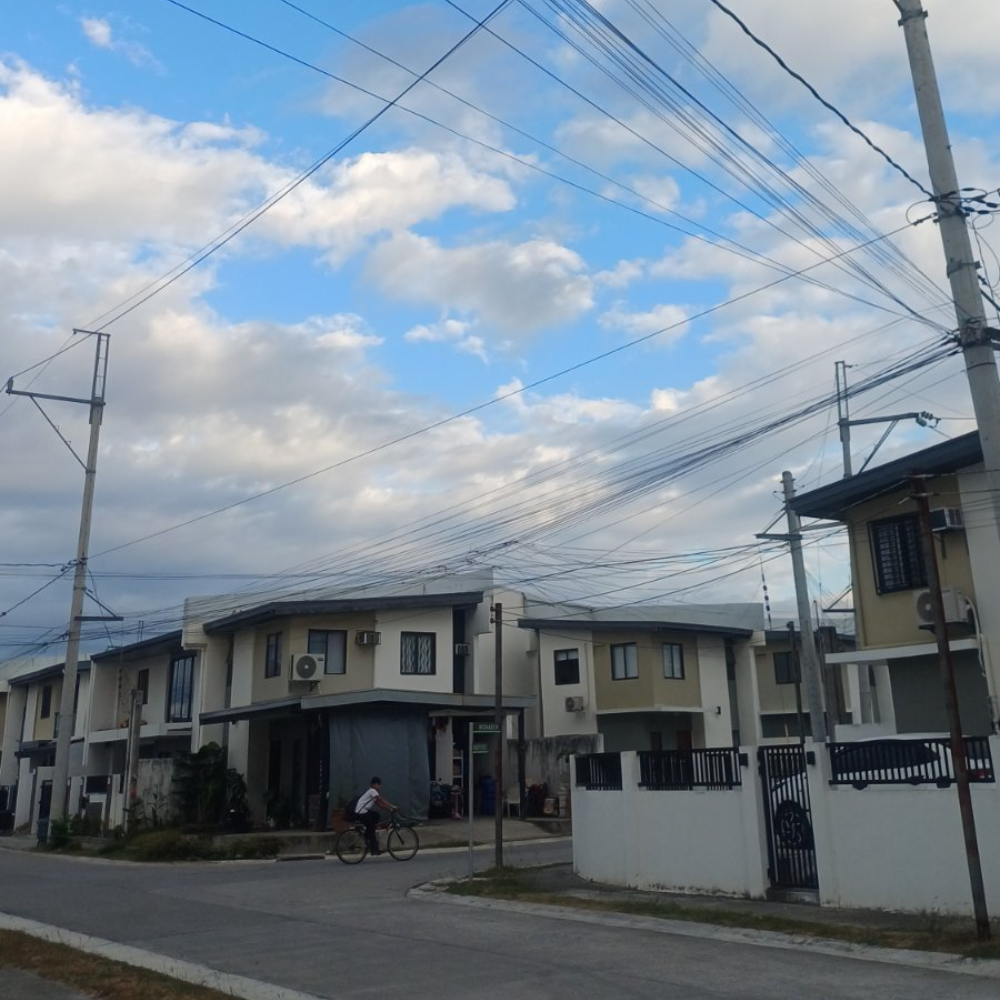
I remember asking myself the same thing before I moved. I ended up relocating to a house in a suburb city about 1.5 hours away from the capital. Not the “dream city life,” but it made the numbers work—and honestly, that matters more than aesthetics.
Let’s break this down like we’re figuring it out together, because moving out isn’t just exciting—it’s expensive if you don’t plan properly.
The Real Cost of Moving Out in 2026
Here’s the truth most people don’t say out loud: moving out costs way more than just rent.
You’re not just paying for a place—you’re paying for independence. And independence comes with bills. Lots of them.
What You Actually Need to Budget For
- Rent and deposits
- Utilities (electricity, water, internet)
- Food and groceries
- Transportation
- Furniture and home setup
- Emergency savings
Miss one of these, and your “new life” starts feeling stressful real fast.
Rent: The Biggest Expense You’ll Face
Let’s not overcomplicate this—rent will control your entire budget.
Find rent in your actual market
Rent varies too much by country, city, neighborhood, apartment size and whether you share housing for one national range to be useful. Compare current listings for places you could actually rent, then add utilities, parking and renter’s insurance. The dollar amounts below are hypothetical low-rent examples for showing the math; they are not 2026 market averages.
When I compared prices, I realized something quickly: location is the biggest money decision you’ll make.
That’s why I chose a place farther out. Living about 1.5 hours away from the capital saved me a huge amount monthly. The trade-off? Time and convenience.
Upfront Costs (Yes, This Hurts)
Before you move in, a lease may require some combination of:
- 1–2 months advance rent
- 1–2 months security deposit
So if your rent is $400/month, you’ll need $800–$1,600 upfront.
Ever wondered why people delay moving out? This is exactly why.
Utilities: The Bills That Sneak Up on You
Utilities don’t look scary at first… until they show up together.
Monthly Utility Costs
- Electricity: $50–$150
- Water: $10–$30
- Internet: $20–$60
👉 Total: $80–$240/month
And yes, your habits matter. If you love blasting the AC all day, your electricity bill will remind you of that decision.
Food and Groceries: Your Daily Spending Trap
You need to eat. Every day. No way around it.
Monthly Food Budget
- Cooking at home: $120–$250
- Mix of cooking + eating out: $200–$350
- Frequent takeout: $300–$500+
Here’s a serious question:
Are you actually going to cook, or are you just optimistic right now?
Because your answer will decide your monthly expenses.
Furniture & Setup: The “Empty House” Reality
You finally move in… and realize you own nothing useful.
Basic Setup Costs
- Mattress or bed: $50–$200
- Table and chair: $30–$120
- Kitchen essentials: $50–$150
- Fan or AC: $40–$300
👉 Total: $150–$700+
I started with the basics only. No decorations, no upgrades, just what I needed to function.
And honestly? That’s enough in the beginning.
Transportation: The Hidden Trade-Off
Let’s talk about something people ignore—distance vs cost.
Living farther away usually means cheaper rent. But it also means longer travel time.
Monthly Transportation Costs
- Public transport: $30–$100
- Ride-hailing apps: $80–$200+
Since I live about 1.5 hours away from the capital, I trade convenience for affordability. It’s not perfect, but it works.
So ask yourself:
Would you rather pay more for location or save money and travel longer?
Emergency Fund: The Thing You’ll Wish You Had
Let’s be real—most people skip this. And then regret it.
How Much Should You Save?
One planning target is:
- 3 months of living expenses
If your monthly cost is $600, aim for:
👉 $1,800 saved
Why? Because life happens.
Unexpected bills, job changes, emergencies—you need backup.
Total Cost to Move Out in 2026
These are illustrative lower-rent scenarios, with roughly $400–$500 monthly rent and modest setup costs. They are not a nationwide minimum or a quote for your location. Replace each line with written lease charges and your own monthly bills. Avoid counting prepaid first rent twice if it is already included in upfront rent.
Lean Example Budget
- Upfront rent + deposit: $800–$1,600
- Setup costs: $150–$300
- First month expenses: $300–$700
👉 Total: $1,250–$2,600
Example With Emergency Reserve
- Upfront rent + deposit: $1,000–$2,000
- Setup costs: $300–$700
- First month expenses: $500–$1,000
- Emergency fund: $1,800–$3,000
👉 Total: $3,600–$6,700
Big difference, right?
That gap is the difference between just surviving… and actually feeling secure.
How Much Salary Do You Need?
Now the real question: can your income support this?
The 30% Rule
The commonly cited 30% guideline compares rent with gross monthly income before taxes. It is a starting screen, not a rule that guarantees affordability. Check your actual take-home pay after utilities, debt, insurance, transportation and savings.
- Rent = $300 → Income ≈ $1,000/month gross
- Rent = $500 → Income ≈ $1,670/month gross
A lower or higher share may work depending on your complete monthly cash flow and local costs.
Reality Check
Some people push it to 40–50%. And sure, you can…
But then you’ll spend every month wondering,
“Why am I broke even though I have income?”
Not fun.
Ways to Reduce Your Moving-Out Costs
Not everyone has thousands saved. That’s normal.
Smart Ways to Save Money
- Get a roommate – split rent and utilities
- Choose a cheaper location – biggest impact on your budget
- Buy secondhand furniture – cheaper and practical
- Cook more meals – huge long-term savings
- Limit unnecessary spending – small leaks sink budgets
IMO, location and lifestyle choices matter more than income at the start.
Hidden Costs No One Talks About
These are the “surprise” expenses that show up later.
Common Hidden Costs
- Cleaning supplies
- Laundry expenses
- Maintenance or repairs
- Small daily spending
Ever spent $5–$10 daily and ignored it? That’s easily $150–$300/month.
Yeah… it adds up fast.
The Suburb vs City Decision
Let’s talk honestly about this.
Living in the city looks exciting. Everything is nearby. Life feels faster.
But it’s also expensive.
Living in a suburb? Slower pace, cheaper rent, more space—but less convenience.
I chose the suburb because it made financial sense. Not glamorous, but practical.
And honestly, when your budget feels stable, everything else feels easier 🙂
Mistakes People Make When Moving Out
Let’s save you from some painful lessons.
Common Mistakes
- Underestimating total costs
- Ignoring emergency savings
- Overspending on furniture
- Choosing location based on vibes only
- Not tracking monthly expenses
Ever made a decision based purely on “this looks nice”? Yeah… don’t do that here.
Should You Move Out in 2026?
Let’s simplify this.
Ask Yourself:
- Do I have stable income?
- Can I afford monthly expenses comfortably?
- Do I have savings as backup?
If yes—you’re likely ready.
If not, waiting and preparing more is actually the smarter move.
Final Thoughts: Is Moving Out Worth It?
The examples above range from $1,250 to $6,700 under lower-rent assumptions. Your actual target may be much higher; price a real lease, move and emergency reserve before deciding.
That’s not small money. But it’s doable with planning.
Here’s the truth most people don’t say:
You don’t need a perfect setup. You need a sustainable one.
I chose a place farther from the city to make things work financially. It’s not the most convenient option, and yeah, the distance can be annoying sometimes.
But I don’t stress about money every month—and that trade-off matters more than living in a “perfect” location.
So here’s the real question:
Are you ready financially… or just excited emotionally?
Because those two don’t always match—and knowing the difference will save you a lot of stress later.